The Gardener’s Heartbreak: Protecting Your Pristine Harvest
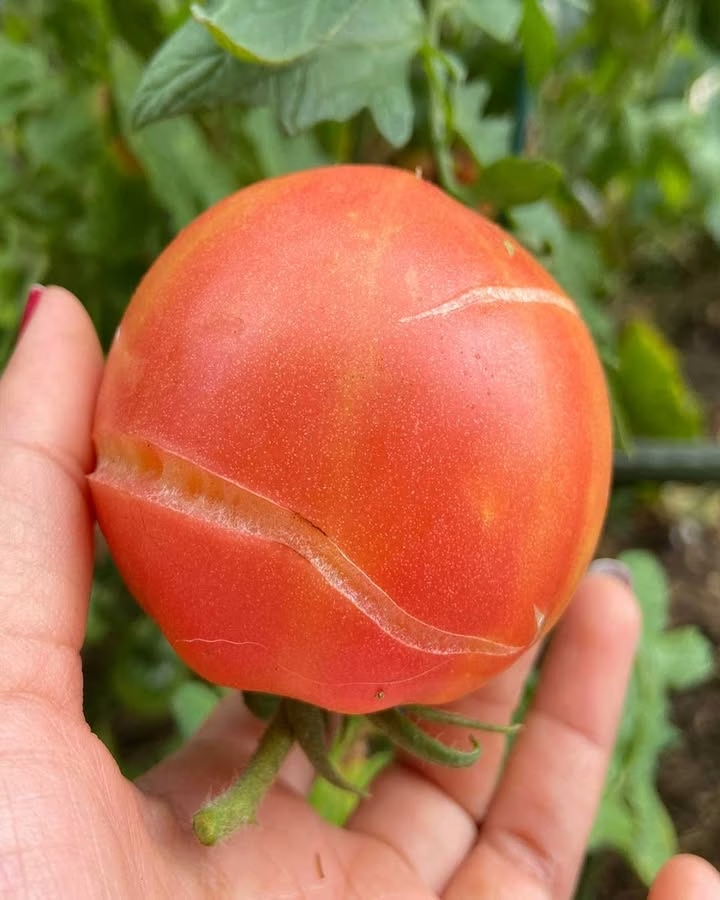
There are few sights more rewarding to a home gardener than a bountiful cluster of ripe, plump tomatoes, glistening on the vine, promising juicy slices for sandwiches or the perfect base for a vibrant sauce. However, this idyllic vision can quickly turn to heartbreak when you discover your prized fruits marred by unsightly cracks and splits. This common gardening frustration, known as tomato splitting, can transform a picture-perfect harvest into a pile of compromised produce, vulnerable to pests and rot. Many gardeners, both novice and experienced, are left scratching their heads, wondering why their tomatoes, seemingly healthy just days before, have suddenly burst their skins. The truth is, the phenomenon of splitting is a complex interplay of environmental factors and the inherent biology of the tomato plant. Understanding the underlying causes is the first crucial step towards preventing this common issue and ensuring your tomato patch consistently yields the unblemished, succulent fruits you’ve worked so hard to cultivate.
What Exactly is Tomato Splitting?
Before diving into the “why,” it’s helpful to understand the “what.” Tomato splitting typically refers to cracks that appear on the skin of ripening or ripe tomatoes. These cracks can manifest in two primary ways:
ADVERTISEMENT
- Radial Cracking: These cracks radiate outwards from the stem end of the fruit, resembling spokes on a wheel. They are often deeper and more prone to leading to rot.
- Concentric Cracking: These cracks form rings around the stem end of the fruit. They tend to be shallower but can still compromise the fruit’s integrity and shelf life.
Both types of splitting expose the inner flesh of the tomato to the elements, making it susceptible to fungal infections, bacterial rot, and insect damage, significantly reducing its edibility and storage potential. While a minor, healed concentric crack might be acceptable for immediate consumption, deep radial cracks usually render the tomato unusable.
The Root Causes of Tomato Splitting: An Unbalanced Environment
The primary culprits behind tomato splitting almost always involve fluctuations in the plant’s environment, particularly related to water and temperature. The tomato skin, while flexible to a degree, has its limits, and when the internal pressure of the fruit increases too rapidly for the skin to stretch, a split occurs.
ADVERTISEMENT
1. Inconsistent Watering: The Number One Offender
This is, without a doubt, the leading cause of tomato splitting. Imagine a tomato that has been experiencing a period of drought or insufficient watering. Its cells are somewhat dehydrated, and its skin might be less pliable. Then, suddenly, a heavy rain falls, or you provide a thorough, deep watering after a dry spell. The roots rapidly take up this sudden abundance of water. This rush of water quickly fills the fruit’s cells, causing them to expand much faster than the outer skin can stretch to accommodate, leading to a sudden rupture. The outer skin, particularly if it has hardened slightly during the dry period, simply cannot keep up with the internal pressure, and it cracks. This phenomenon is analogous to overfilling a balloon; if the elasticity isn’t there or the pressure builds too quickly, it bursts.
2. Rapid Growth Spurts
ADVERTISEMENT
Sometimes, a sudden availability of nutrients, combined with ample water and warm temperatures, can trigger an accelerated growth spurt in the fruit. While rapid growth sounds desirable, if it happens too quickly for the fruit’s skin to expand proportionally, splitting can occur. This is often linked to the inconsistent watering issue but can also be exacerbated by over-fertilization, particularly with high-nitrogen fertilizers that encourage lush vegetative growth over fruit development.
3. High Temperatures and Heat Stress
Extreme heat, especially scorching daytime temperatures followed by cooler nights, can also contribute to splitting. High temperatures can stress the plant, affecting the skin’s elasticity and making it more prone to cracking when sudden water uptake occurs. The heat can also cause the skin to toughen slightly, reducing its ability to expand.
ADVERTISEMENT
4. Genetic Susceptibility: It’s in the Genes
Some tomato varieties are simply more prone to splitting than others. Heirloom tomatoes, while celebrated for their unique flavors and appearances, often have thinner skins or less elastic epidermal layers, making them more susceptible to cracking than modern hybrid varieties bred for crack resistance. Larger-fruited varieties also tend to be more vulnerable than smaller ones like cherry tomatoes.
ADVERTISEMENT
5. Nutrient Imbalances (Less Common but Contributory)
While not a direct cause, certain nutrient deficiencies, particularly calcium, can indirectly contribute to splitting. Calcium is crucial for strong cell wall development. A deficiency can lead to weaker cell walls in the fruit, making them less able to withstand internal pressure changes. However, calcium deficiency is more commonly associated with Blossom End Rot, but overall plant health and nutrient balance contribute to skin integrity.
The Science Behind the Split: A Deeper Dive into Osmosis
ADVERTISEMENT
To truly grasp why tomatoes split, we need to understand the basic plant process of osmosis. Plants absorb water from the soil through their roots. This water then travels up to the fruit. Inside the fruit, the cells are essentially tiny sacs filled with water and dissolved sugars.
When the soil has a high concentration of water (e.g., after heavy rain or deep watering following a dry spell), water molecules move from the area of high concentration (soil) to the area of lower concentration (inside the tomato fruit cells) through a semi-permeable membrane. This process, called osmosis, causes the fruit cells to rapidly swell.
If this swelling happens too quickly, the outer skin cells of the tomato, which are less elastic than the inner pulp cells, simply can’t stretch fast enough. The result is a tear or rupture in the skin, allowing the inner, rapidly expanding fruit to break through. The harder or less elastic the skin (due to variety or prior dry conditions), the more susceptible it is to splitting under this sudden pressure.
ADVERTISEMENT
Effective Solutions and Prevention Strategies: Your Battle Plan Against Splits
Preventing tomato splitting involves a multi-pronged approach focused primarily on maintaining consistency in your growing environment.
1. Consistent Watering: The Golden Rule
ADVERTISEMENT
This is by far the most crucial step. Tomatoes need a steady, even supply of moisture, especially once fruits begin to form and ripen.
- Deep and Regular: Water deeply and regularly, aiming for consistency rather than sporadic deluges. A good rule of thumb is 1-2 inches of water per week, delivered slowly to allow for deep penetration.
- Drip Irrigation or Soaker Hoses: These systems are excellent for delivering water directly to the root zone at a consistent rate, minimizing runoff and preventing fluctuations in soil moisture.
- Avoid Overhead Watering: Watering from overhead can lead to rapid absorption after dry spells and can also encourage fungal diseases on foliage. Water at the base of the plant.
- Morning Watering: Water early in the morning to allow foliage to dry before nightfall, reducing disease risk, and ensuring the plant has ample moisture for the day.
2. Mulching: Nature’s Moisture Regulator
Applying a layer of organic mulch (like straw, shredded leaves, or wood chips) around your tomato plants offers multiple benefits:
ADVERTISEMENT
- Moisture Retention: Mulch significantly reduces water evaporation from the soil, helping to maintain a more consistent soil moisture level and reducing the impact of dry spells.
- Temperature Regulation: It insulates the soil, keeping it cooler in hot weather and warmer in cooler temperatures, which reduces stress on the roots.
- Weed Suppression: An added bonus is reduced weed growth, which competes with your tomatoes for water and nutrients.
3. Proper Fertilization: Balanced Nutrition is Key
While nitrogen promotes lush green growth, too much can lead to excessive foliage at the expense of fruit production and can sometimes make fruit more susceptible to splitting by encouraging too rapid expansion.
- Balanced Fertilizers: Use a balanced fertilizer during early growth, then switch to one lower in nitrogen and higher in phosphorus and potassium (the “fruit and flower” nutrients) once flowering and fruiting begin.
- Avoid Over-Fertilizing: More is not always better. Follow package directions for fertilizer application.
- Calcium Supplementation (If Needed): If your soil tests show a calcium deficiency, or if you’ve experienced Blossom End Rot (a classic calcium deficiency symptom), consider supplementing with bone meal, crushed eggshells, or a foliar calcium spray. Healthy cell walls contribute to skin elasticity.
ADVERTISEMENT
4. Provide Adequate Shade in Extreme Heat
In regions with scorching summer temperatures, periods of intense heat can stress tomato plants and contribute to splitting.
- Shade Cloth: Draping 30-50% shade cloth over your tomato plants during the hottest parts of the day can significantly reduce heat stress, improve overall plant health, and help maintain fruit quality.
5. Harvest at the Right Time
ADVERTISEMENT
For varieties known to be prone to splitting, harvesting slightly before full ripeness can be a viable strategy.
- Pink Stage: Pick tomatoes when they are mostly colored but still have a slight firmness, or are in the “breaker” or “pink” stage. They will continue to ripen indoors at room temperature, away from the unpredictable elements. This is particularly useful for highly susceptible heirloom varieties.
6. Choose Crack-Resistant Varieties
Plant breeders have developed numerous tomato varieties with improved crack resistance. While no tomato is 100% immune, choosing resistant cultivars can greatly reduce your splitting problems.
ADVERTISEMENT
- Look for “Crack Resistant”: When selecting seeds or seedlings, look for descriptions like “crack resistant” or “crack tolerant.”
- Hybrid Varieties: Many hybrid varieties are specifically bred for tougher skins and better crack resistance. Examples include ‘Celebrity’, ‘Mountain Spring’, ‘Defiant PHR’, and many Roma types.
- Smaller Fruits: Cherry and grape tomatoes are inherently less prone to splitting than large beefsteak varieties due to their smaller surface area to volume ratio.
7. Support and Pruning (Contextually)
- Proper Support: Staking or caging tomatoes ensures the plants are well-supported, keeping fruit off the ground and reducing stress on the branches. While not a direct solution to splitting, a healthier, less stressed plant is generally more resilient.
- Strategic Pruning: Excessive pruning can sometimes expose fruits to direct sun, leading to sunscald, which can damage the skin and make it more susceptible to splitting. Conversely, judicious pruning for airflow can reduce fungal issues, contributing to overall plant health. Balance is key.
Addressing Already Split Tomatoes: Damage Control
ADVERTISEMENT
Unfortunately, once a tomato has split, the damage cannot be reversed. However, you can take steps to salvage what you can and prevent further issues.
- Immediate Harvest: If you find a split tomato, harvest it immediately. Do not leave it on the vine, as it will attract pests (like fruit flies and wasps) and diseases that can then spread to healthy fruits.
- Assess the Damage: For minor concentric cracks that have “healed” (formed a rough scar), the tomato is usually fine for immediate consumption. For deeper radial cracks, especially if they are wet or show signs of mold, it’s best to discard the fruit to prevent disease spread.
- Use Quickly: Any split tomato, even with minor cracks, has a significantly reduced shelf life. Plan to use it within a day or two in cooked dishes, sauces, or immediately. Cut away any damaged parts before use.
- Compost Wisely: If the tomato is too damaged to eat, compost it responsibly. Do not throw diseased tomatoes back into your garden beds to avoid spreading pathogens.
Conclusion: Cultivating Resilience in Your Tomato Patch
The battle against tomato splitting is a common challenge for gardeners, but it’s a battle that can be won with knowledge and consistent effort. By understanding that these frustrating cracks are primarily a result of rapid fluctuations in water uptake and environmental stress, you can implement proactive strategies to protect your harvest. From the fundamental practice of consistent, deep watering and the invaluable aid of mulching, to judicious fertilization and the strategic selection of crack-resistant varieties, every step contributes to building a more resilient tomato plant. The joy of harvesting perfectly ripe, unblemished tomatoes is a testament to mindful gardening – a testament to understanding your plants’ needs and responding to them with care. Embrace these preventative measures, and you’ll not only reduce the heartbreak of split fruits but also cultivate a thriving, productive tomato patch that truly shines with the bounty of summer’s best.
ADVERTISEMENT
