Never Pick a Bland Watermelon Again: Your Ultimate Guide to Choosing the Sweetest One
There’s nothing quite like biting into a perfectly ripe, juicy watermelon on a hot day. It’s refreshing, naturally sweet, and full of hydrating nutrients. But if you’ve ever been disappointed by a dry, flavorless melon, you’re not alone. Choosing the right watermelon can feel like a gamble, especially when you’re relying on guesswork in the grocery store or at the farmers’ market.
Fortunately, there are several reliable indicators that can help you identify a ripe, sweet watermelon before you slice it open. From the color of the rind to the weight in your hands, these signs will guide you toward making the right choice and ensure your next watermelon is full of flavor and satisfaction.
Why Choosing the Right Watermelon Matters
Selecting the right watermelon isn’t just about taste. A ripe watermelon offers more than just flavor; it’s packed with essential vitamins and antioxidants. Watermelon is over ninety percent water, making it an excellent source of hydration. It also contains important nutrients such as vitamin C, vitamin A, potassium, and the powerful antioxidant lycopene. But most of these benefits are best enjoyed when the fruit is fully ripe. An underripe or overripe melon may not only lack taste but can also fall short in nutritional value and texture. Choosing correctly means getting the most out of both flavor and health benefits.
Pay Attention to the Field Spot
The field spot is one of the most telling signs of a watermelon’s ripeness. It’s the area of the melon that rested on the ground while it was growing. When this spot is a creamy yellow or deep golden color, it indicates that the watermelon ripened naturally in the sun, absorbing more sugars and developing better flavor. If the field spot is pale green or white, the watermelon was likely picked before it was fully ripe, which often results in bland, watery flesh. This is one of the easiest visual cues you can use to judge ripeness.
Understand the Meaning of Sugar Webbing
Sugar webbing appears as rough, brownish web-like scars on the skin of the watermelon. While these marks might seem like imperfections, they are actually a good sign. These marks are caused by bees pollinating the fruit and indicate that sugar is oozing from inside, which means the watermelon is likely very sweet. A melon with prominent sugar webbing often has a richer, fuller flavor compared to one with smooth, unmarked skin. Embracing these natural blemishes can lead to a far better tasting fruit.
ADVERTISEMENT
Use the Tap Test to Check Ripeness
Many experienced fruit lovers use the tap or knock test to determine if a watermelon is ripe. When you gently tap the outer rind, a ripe watermelon will produce a deep, hollow sound. This sound indicates that the inside is filled with water and has a firm yet juicy texture. On the other hand, if the sound is dull or flat, the fruit may be either underripe or overripe. This method takes a little practice, but once you get the hang of it, it becomes a quick and reliable way to test for ripeness.
Evaluate the Watermelon’s Shape
A well-shaped watermelon is often a good sign of even ripening. Ideally, the fruit should have a uniform, symmetrical shape, whether it’s round or oval. Irregular shapes, such as flat sides or bulges, may indicate uneven development on the vine, which can result in inconsistent flavor or texture inside. A symmetrical shape shows that the watermelon received consistent sunlight and nutrients while growing, increasing the likelihood that it is evenly sweet throughout.
Examine the Stem or Tail
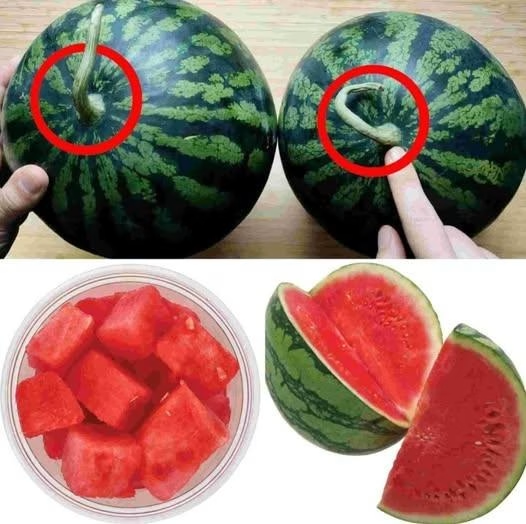
If the watermelon still has part of its stem or tail attached, this can be another clue about its ripeness. A dried, brown stem suggests that the fruit was allowed to ripen fully on the vine before it was harvested. This extra time on the vine allows the sugars to develop fully, resulting in a sweeter taste. If the stem is still green or moist, it likely means the watermelon was picked too early, which can lead to a lackluster flavor. Even if there is no visible stem, examining the spot where it was attached can give similar insights.
Judge the Weight of the Watermelon
Weight is a surprisingly accurate indicator of juiciness in a watermelon. A ripe melon should feel heavy for its size, as this suggests it is full of water. When comparing two similarly sized watermelons, choose the one that feels heavier in your hands. A light watermelon might be dry, mealy, or underripe inside. This simple trick helps ensure you get the juiciest fruit possible, especially when used in combination with the other visual and audio cues.
ADVERTISEMENT
Avoid Shiny Skin and Go for a Dull Finish
A ripe watermelon typically has a dull or matte finish to its rind. Shiny or glossy skin often indicates that the fruit was picked before it had a chance to ripen fully. While a shiny watermelon might look appealing, it usually lacks depth of flavor and juiciness. A dull rind may not be as visually striking, but it’s often a more reliable sign of ripeness and sweetness. This small detail can make a big difference in your final choice.
Don’t Rely on Size Alone
When selecting a watermelon, it’s tempting to assume that bigger means better. However, size alone isn’t a reliable measure of quality. Some of the sweetest watermelons are medium-sized and compact. What matters more is the balance between size and weight, as well as the other ripeness indicators. It’s better to choose a slightly smaller, heavier melon than a large, lightweight one. Focusing on quality over quantity ensures better flavor and texture.
Conclusion
Picking the perfect watermelon doesn’t have to be a guessing game. By learning to recognize signs like a creamy field spot, pronounced sugar webbing, a hollow sound when tapped, and a uniform shape, you can dramatically increase your chances of selecting a sweet, juicy fruit every time. These techniques are simple, effective, and don’t require any special tools—just your eyes, hands, and a bit of patience. The next time you’re at the store or market, use these tips with confidence and say goodbye to bland watermelon for good. A little knowledge goes a long way toward enjoying the freshest taste of summer.
